|
Molecular
Toxicology and Cell and
Tissue Culture
Technology [mt3] .\mt3 .\AIMMS .\Chemistry and Pharmaceutical Sciences .\Faculty of Science |

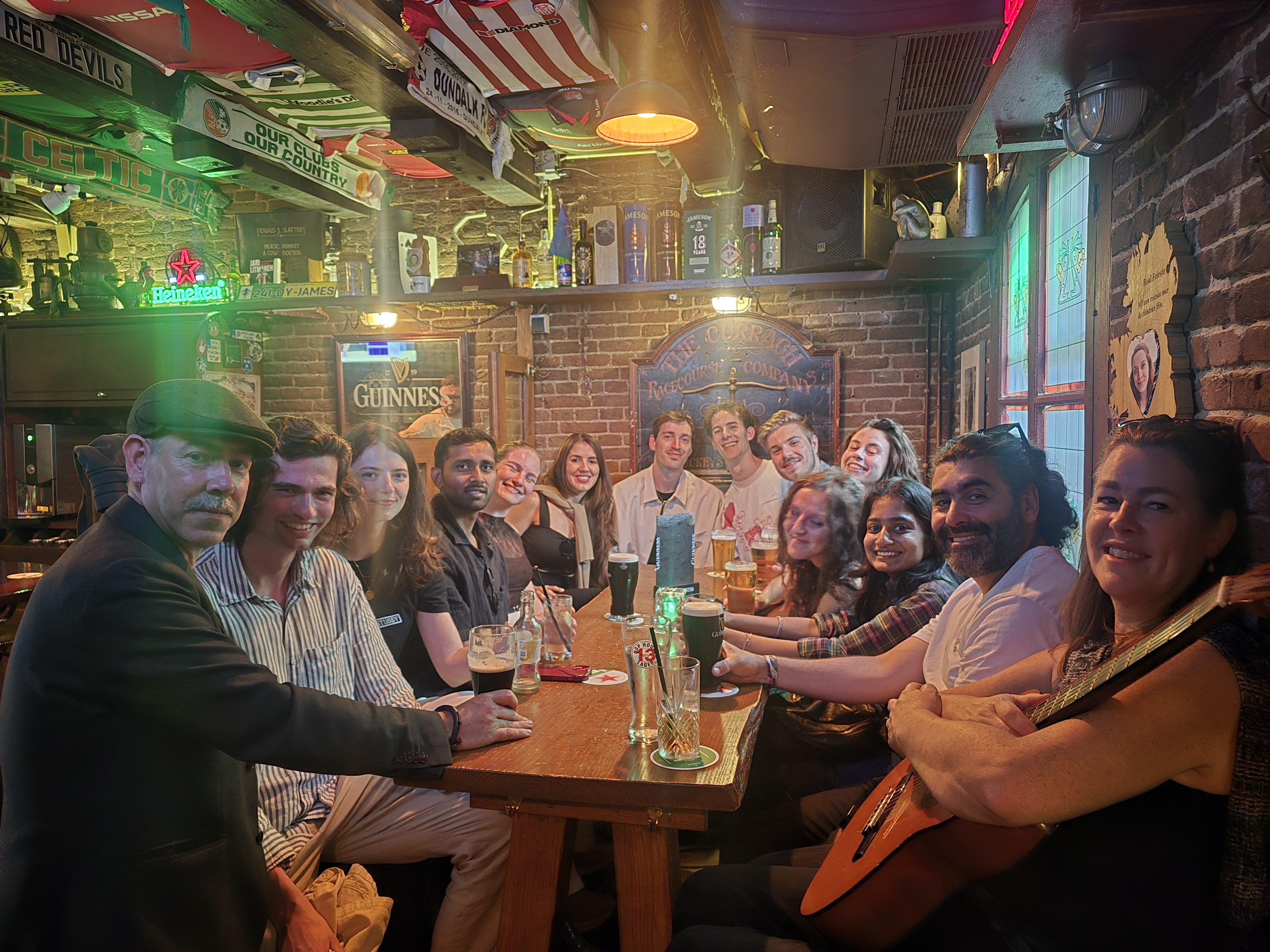
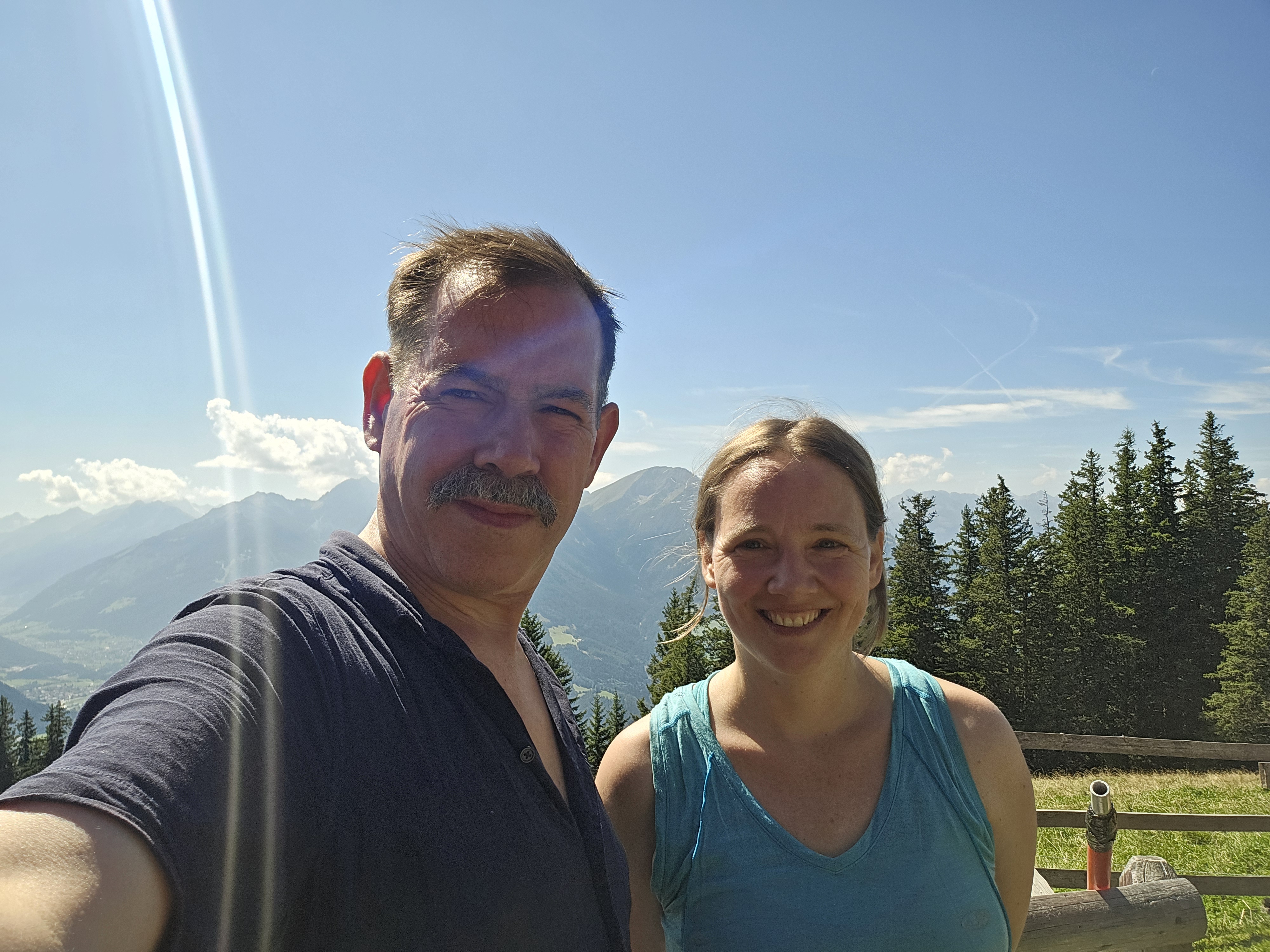
Molecular Toxicology is specialised in developing human in vitro (non-animal) based strategies for the understanding of the molecular mechanisms of chemical-induced toxicity in order to better predict chemical safety in humans.
The laboratory is specialised in human cell culture, metabolism, toxicity determination
and omic analysis. In vitro models include human primary cells, human cell lines and induced
human Pluripotent Stem Cell derived cells.
Paul Jennings [ORCID] is a specialist in human cell culture, cell
biology, renal phyisology and molecular toxicology and leads
Molecular Toxicology.
Anja Wilmes [ORCID]
is a specialist in iPSCs, differentiation, cancer biology, co-cultures and organ on a
chip technology and leads Cell and Tissue Culture Technology.
What is toxicology ? Toxicology is the study of poisons and their effects on cellular systems. However, everything is poisionous, it is the dose that makes something a poison. [read more]
|
Address: Division of Molecular Toxicology, Department of Chemistry and Pharmaceutical Sciences, Amsterdam Institute for Molecules, Medicines and Systems, Vrije Universiteit Amsterdam, De Boelelaan, 1108, 1081 HZ Amsterdam, The Netherlands. Floor 3, O|2 building. [ Google map link ] email p.jennings@vu.nl, e.v.langemeijer@vu.nl |
 Announcements
|
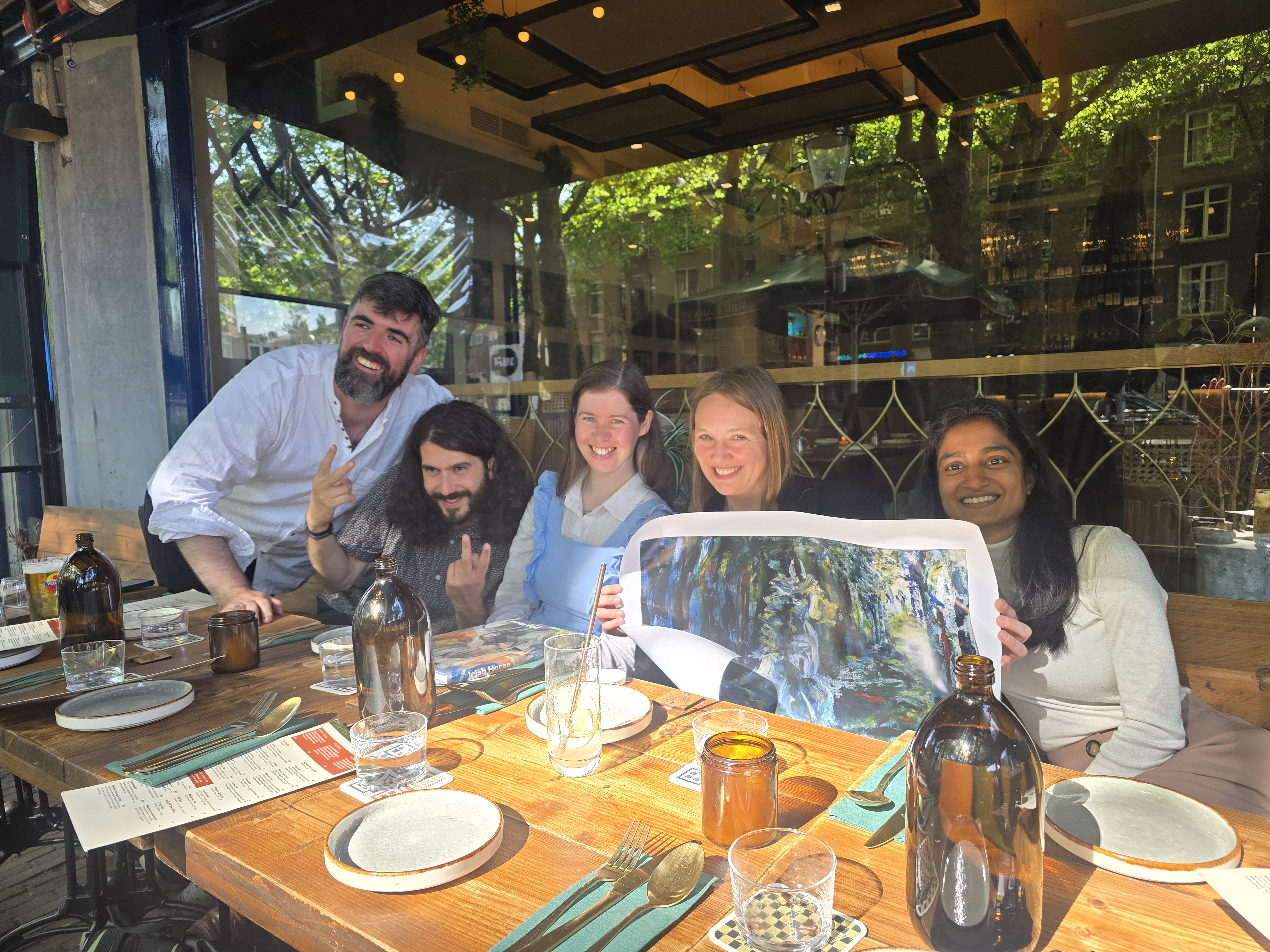
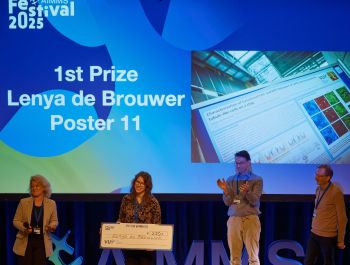
July 2025 Vidya and Cormac defend their PhD thesis.Yipee June 2025: Lenya strikes again and wins the best PhD presentation at the NVT 2025. Congrats Lenya ! 🎈 |
 mt3 team


Highlights
(hover over for details)
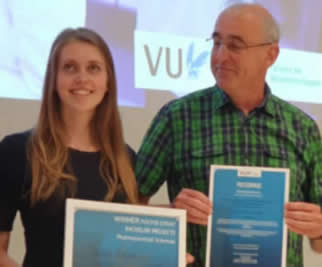
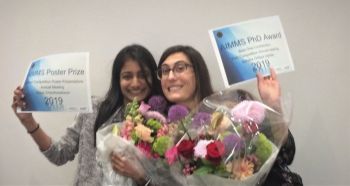

The group is a partner in several EU level and national projects. The images and links below capture some of them.






- Chiasma 2024: Accessible Innovative Methods for the Safety & Sustainability Assessment of Chemicals & Materials. CHIASMA has received funding from the European Union s Horizon Europe Research and Innovation programme under grant agreement No. 101137613.
- RISKHUNT3R EU Horizon 2020 Grant No 964537. Hunting for chemical risks using NAMs!
- VHP4Safety. NWA-funded Virtual Human Platform 4 Safety project. started June 2021.
- Matrigel replacement project.funded by SET

Its the Halk.
mt3 Duckery
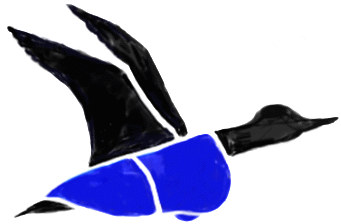
The logo symbolises the ability to model from biological data (the blue liver shaped centre) - in order to expand / fly to new heights of knowledge. The logo also represents the aquatic based habitat of Amsterdam.
We hope you don't think we are quackers.